
A well-designed sign board is your business's most cost-effective marketing asset — working 24/7 without recurring spend. This guide explains everything you need to know about finding the right sign board makers near you: what services to expect, which sign types suit which businesses, how costs are calculated, and how to avoid common pitfalls. If you already know what you want priced out, see our detailed LED sign board cost guide for exact rates by material and size.
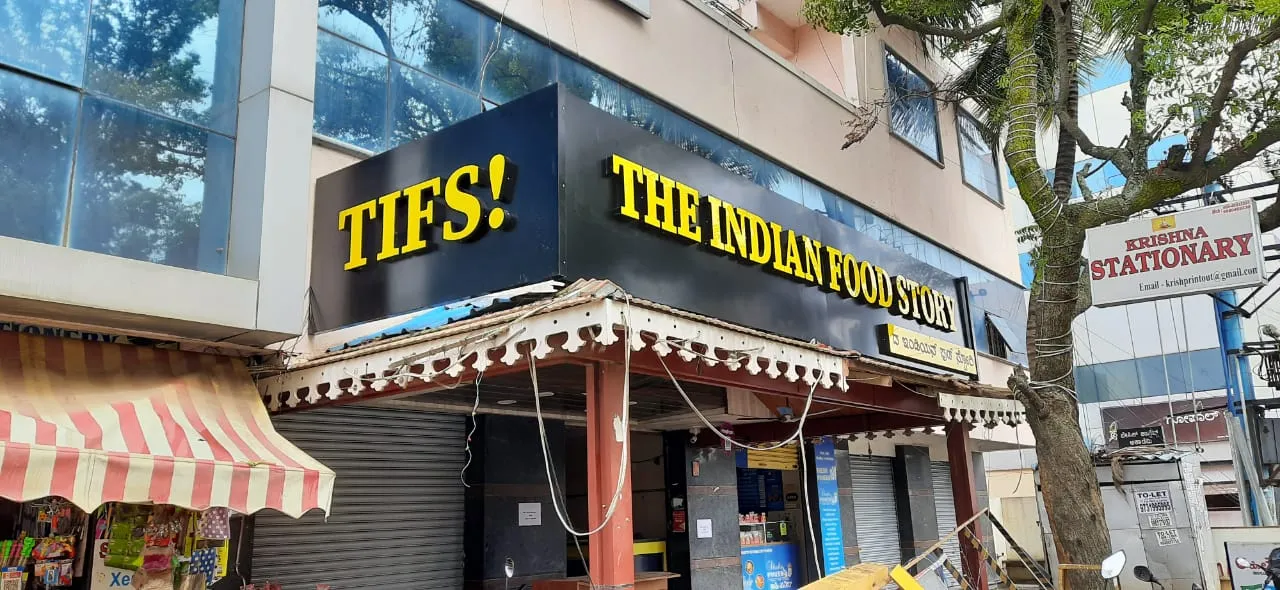
Why professional signage matters for your business
A strong business sign is far more than a nameplate. It is a critical asset that continuously promotes your business without recurring advertising costs — often the very first thing people notice about your establishment, shaping their perception before they even step inside.
What to look for in sign board makers near you
Choosing the right signage partner is one of the most important brand decisions you will make. Here is a clear checklist of what separates a professional sign manufacturer from a cut-price vendor.
- Experience and reputation: Look for a well-established company with a proven track record across various industries. Review their portfolio of completed projects and read Google/Facebook reviews. Longevity in the business reflects consistent craftsmanship and strong processes.
- Comprehensive design services: A top-tier sign company goes beyond placing your business name on a board. Their designers should develop concepts from scratch, refine your existing ideas, and ensure full brand consistency — browse our full range of signage design and fabrication services to see what's included.
- Customisation capabilities: Every business has unique branding requirements. The best sign board makers offer custom solutions: unique materials, fonts, colours, and installation methods tailored to your brand identity and building architecture.
- Material quality and durability: Longevity depends heavily on material grade. Ask specifically about aluminium thickness, paint and finish quality, and LED brand. Reputable companies use state-of-the-art equipment and will not compromise on inputs.
- Knowledge of permits and regulations: An experienced vendor understands local zoning laws, building codes, and safety regulations — and ideally assists with the permitting process to save you time and reduce risk.
- Skilled installation team: Installation is as crucial as design and manufacturing. Certified installers must handle the job safely, ensuring secure mounting, correct positioning, and full compliance with electrical codes for illuminated signs.
- Maintenance and support: Look for post-installation servicing and warranties on materials and workmanship. A board that fails in eight months costs more overall than a slightly pricier board that comes with a two-year warranty.
- Excellent project management: From first inquiry to final installation, you should feel valued and kept informed. Clear timelines, responsive communication, and a single point of contact are hallmarks of a professional operation.
A reputable sign board maker will visit your location before issuing a final quote — to assess wall structure, heights, power access, and any permit implications. Vendors who quote solely from photos or dimensions over the phone are likely to miss cost factors that surface later.
Common sign types explained
Signage broadly divides into storefront, freestanding, digital, and interior categories. Understanding what each type does — and what it costs — helps you choose the right format for your business.
Storefront signage
The most common exterior signs, directly identifying your business on the building facade.
- Channel letters: Three-dimensional letters individually illuminated (front-lit or backlit), installed directly on the facade. Highly customisable in colour and size — the gold standard for retail and F&B brands. See examples of our channel letter and LED signage work.
- Cabinet / box signs: Illuminated signs with a translucent face displaying your branding. Cost-effective for large-format visibility, especially at night.
- Push-through acrylics: Acrylic letters pushed through the face of an aluminium cabinet, creating a 3D effect with strong depth and premium finish.
Freestanding signs
- Monument signs: Solid, permanent structures at eye level — often incorporating landscaping — providing a sophisticated entrance statement for business complexes, schools, and hospitals.
- Pylon signs: Tall, pole-supported signs designed for maximum visibility from a distance, especially along highways and busy arterial roads. View completed pylon sign installations in our portfolio.
- A-frame / sandwich boards: Portable, pavement-level signs ideal for daily specials, promotions, and directing foot traffic.
Digital signage
- LED screens / digital displays: Allow dynamic content — changing messages, promotions, and vibrant graphics — without fabricating new boards each time.
- Digital menu boards: Popular in restaurants and QSRs for live menu updates and promotional display.
Interior signage
- Wayfinding signs: Directional signs that help customers navigate large spaces — malls, hospitals, office campuses, multi-floor retail stores.
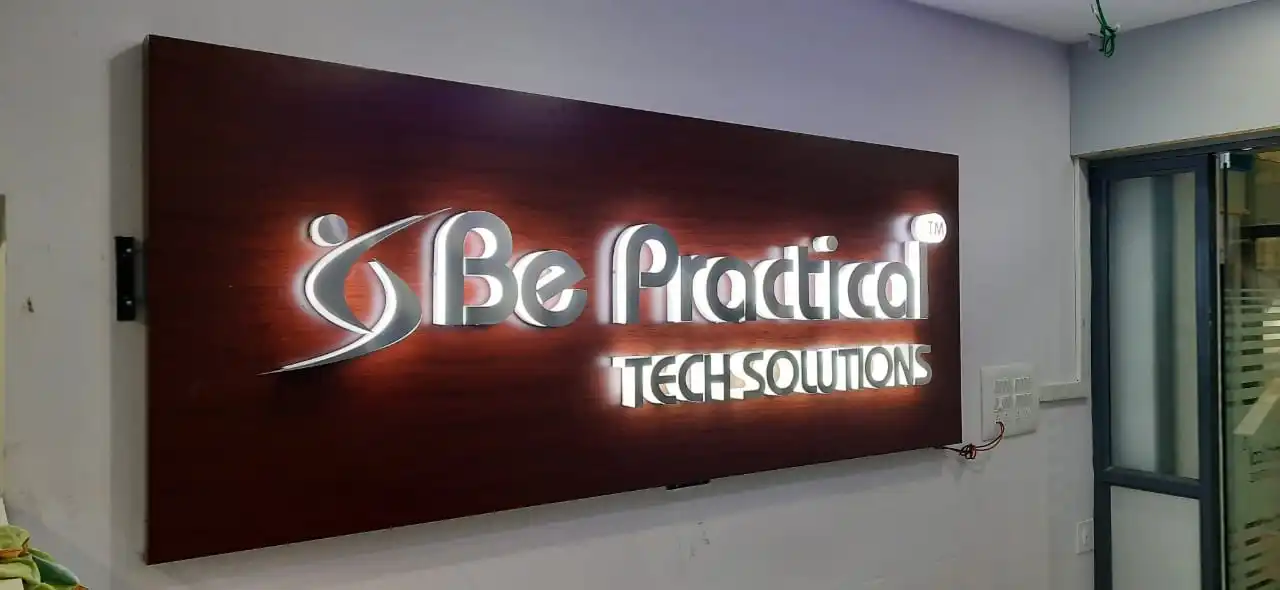
- Reception / lobby signs: Acrylic, metal, or 3D letter boards in reception areas that communicate brand premium and company identity to visitors.
- Wall decals and graphics: Versatile options for branding, motivational displays, or decorative purposes on interior walls and glass partitions.
Beyond fixed signage, vehicle graphics and vinyl branding turn company vehicles into mobile billboards offering widespread brand exposure across the city. Fabric banners and flags remain cost-effective for events, product launches, and temporary advertising at high-footfall locations.
Materials and customisation options
The material chosen for your sign significantly impacts its durability, aesthetics, and total cost of ownership. Here is a plain-language guide to the most common options.
Customisation is the hallmark of a professional signage partner. Reputable sign board makers can tailor every aspect — from intricate shapes and cutouts to vibrant printing, specific LED lighting configurations, and brand-matched colour palettes — ensuring your sign is consistent with your visual identity and maximally readable at the intended viewing distance.
Costs, permits, and what affects your budget
Sign board costs vary widely — from a few thousand rupees for a simple flat board to several lakhs for a large custom pylon. Understanding the key cost drivers helps you budget realistically and compare quotes fairly. For exact per-square-foot rates by material, see our full LED sign board cost breakdown.
| Cost Factor | Impact | Notes |
|---|---|---|
| Size & complexity | High | Larger boards with intricate shapes, multiple components, or mixed materials cost significantly more in material and fabrication time. |
| Material grade | High | Premium acrylic or 304-grade stainless steel costs 20–40% more than standard options but lasts 3–5 years longer. |
| Illumination type | Medium–High | LED-illuminated signs add cost for electrical components, wiring, and certified installation. Branded LED modules (Samsung, Epistar) cost more but last 40,000+ hours. |
| Installation height & access | Medium | Ground-level installation is cheapest. Above 15 feet requires scaffolding or a hydraulic platform — adding ₹2,000–₹8,000 depending on height. |
| Design & engineering | Low–Medium | Design should be included in any professional quote. Complex structural signs may require engineering sign-off for safety compliance. |
| GST (18%) | Fixed | Sign board manufacturing and installation attracts 18% GST in India (HSN 9405). Always confirm whether a quote is inclusive or exclusive of tax. |
| Permit & compliance fees | Variable | BBMP advertisement licence fees vary by sign size and location. Large hoardings require formal approval; small shop name boards typically do not. |
A note on permits in Bangalore
The Bruhat Bengaluru Mahanagara Palike (BBMP) requires a hoarding or advertisement licence for sign boards visible from public roads. Regulations typically cover size and height restrictions, setback and placement rules, lighting brightness caps, and stricter design requirements in heritage or residential zones. A professional sign board manufacturer will advise you on what applies to your specific site and can assist with the application process.
Unpermitted signs can result in BBMP fines, forced removal, and the full cost of reinstallation. The permit process, handled correctly from the start, is far cheaper than dealing with a compliance notice after installation. Get in touch and we'll walk you through what applies to your site.
Step-by-step: from concept to installation
Working with a professional sign board maker involves a structured multi-step process. Here is what you should expect at each stage.
If you have a specific opening date or launch event, communicate it at the very first consultation. Permit timelines in particular can be unpredictable — a professional sign board maker will structure the project schedule backwards from your deadline so there are no last-minute surprises.
Frequently asked questions
Talk to a sign board specialist today
Tell us your business type, location, and what you have in mind — we will get back with a detailed, no-obligation quote within 2 hours during business hours.